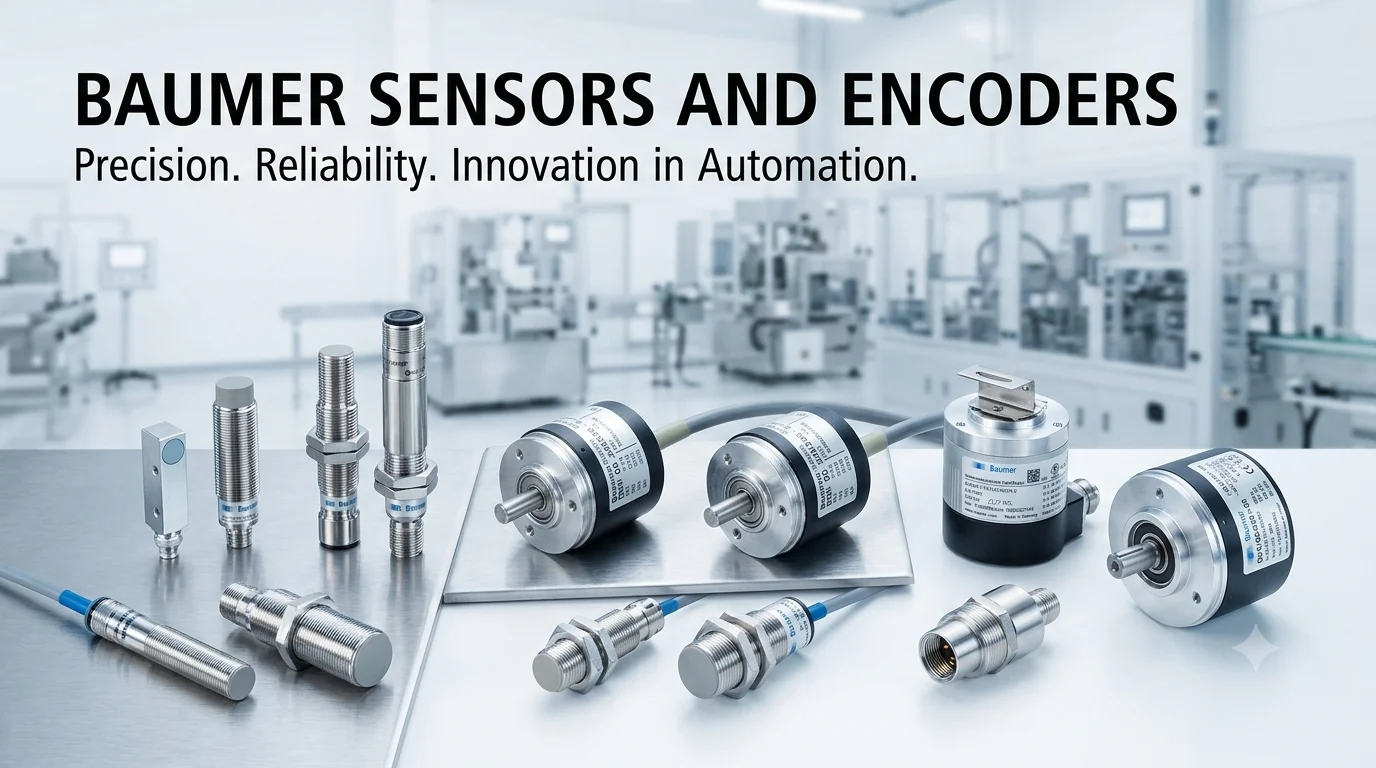
An Application Control System is a technology solution designed to monitor, manage, and control specific applications, equipment, or industrial processes. It helps organizations improve operational efficiency, reliability, safety, and overall system performance.
An Automation System uses control technologies, software, sensors, and equipment to perform processes automatically with minimal manual intervention. Automation can help improve productivity, accuracy, consistency, and safety.
Key benefits include: Reduced manual intervention and operating costs Improved productivity and process efficiency Greater accuracy and consistency Enhanced safety and system reliability Real-time monitoring and control Reduced downtime and maintenance requirements Better data collection and reporting
Automation systems can be used for a wide range of applications, including manufacturing, production lines, material handling, HVAC systems, water and wastewater treatment, energy management, building management, and other industrial or commercial processes.
An automation system typically collects information through sensors and field devices. A controller processes this information according to programmed logic and sends commands to connected equipment. Operators can monitor and manage the process through a control panel, HMI, SCADA system, or other software interface.
Yes. Automation systems can be designed and configured according to specific operational requirements. Control logic, hardware, software interfaces, monitoring functions, alarms, reporting, and communication protocols can all be customized to suit the application.
In many cases, yes. Modern automation systems can communicate with existing machinery, PLCs, sensors, drives, meters, and other control devices using industry-standard communication protocols. Integration depends on the capabilities and compatibility of the existing equipment.
A Programmable Logic Controller (PLC) is a specialized industrial controller used to monitor inputs and control machinery or processes. PLCs are widely used because they provide reliable, flexible, and programmable control for industrial automation applications.
Yes. Automation systems can provide real-time information about equipment and processes. Operators can monitor operating conditions, system status, alarms, measurements, and performance through HMIs, SCADA platforms, dashboards, or other interfaces.
Yes. Automation can monitor energy usage and optimize equipment operation based on actual demand and operating conditions. Automated scheduling, equipment control, monitoring, and performance analysis can contribute to improved energy efficiency.
Automation can reduce the need for personnel to perform repetitive or hazardous tasks. Safety interlocks, alarms, emergency controls, monitoring systems, and programmed shutdown sequences can also help reduce operational risks when properly designed and implemented.
Routine maintenance may include inspecting control panels and connections, checking sensors and field devices, reviewing alarms, backing up programs and configurations, updating software where appropriate, and testing critical control and safety functions.
Yes. Well-designed systems can often be expanded or upgraded as operational requirements change. Additional sensors, equipment, control functions, communication capabilities, or monitoring features can be incorporated depending on the system architecture.
A properly designed control and automation system can provide greater control over operations, improve productivity, reduce errors and downtime, enhance safety, and provide valuable operational data. It can also provide a scalable foundation for future process improvements.